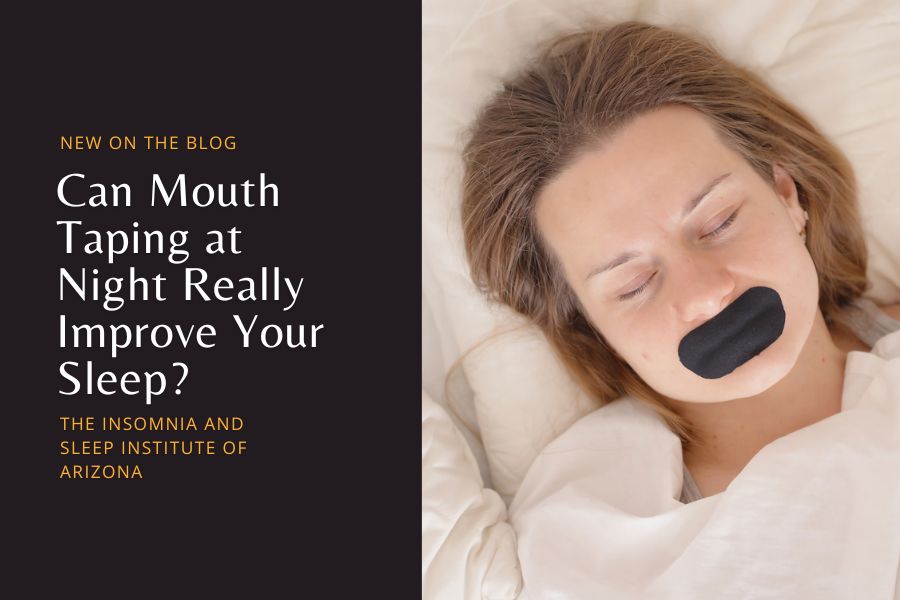
Mouth taping at night may improve sleep, but only for some people, and only under the right conditions. By encouraging nasal breathing, mouth taping may reduce snoring, limit nighttime awakenings, and help prevent dry mouth.
It’s a simple idea gaining traction online, but the science behind it is still limited and mostly focused on people with mild sleep issues. For others, especially those with undiagnosed sleep apnea, it could be ineffective or even dangerous.
Can It Improve Sleep Quality?
Yes, mouth taping may improve sleep quality in certain individuals, especially those who habitually mouth breathe but do not have moderate to severe obstructive sleep apnea (OSA). Nasal breathing is more efficient than mouth breathing. It filters, humidifies, and warms the air, reduces airway resistance, and supports the production of nitric oxide, a molecule that improves oxygen uptake and blood flow.
When people breathe through their mouths at night, the result is often snoring, dry mouth, and disrupted sleep. Taping the mouth can encourage nasal breathing, which may lead to fewer sleep interruptions and a more restorative night’s sleep. A small 2022 study on mild OSA patients showed that mouth taping reduced the Apnea-Hypopnea Index (AHI) by 47% and the snoring index by a similar margin. Oxygen desaturation also improved, showing better overall sleep efficiency (1).
Still, this benefit is limited to a specific group: mouth-breathing patients with mild OSA. For others, especially those with nasal congestion, anxiety, or underlying sleep disorders, mouth taping may do little or even worsen symptoms.
Are There Any Risks?
Mouth taping is not harmless, and its risks depend on your baseline health and how it’s used.
Main risks include:
- Airway restriction: For people with undiagnosed or moderate-to-severe OSA, taping the mouth can make it harder to recover from apneas or arousals.
- Nasal obstruction: Allergies, colds, or a deviated septum can force mouth breathing. Taping the mouth in these situations can cause panic or difficulty breathing.
- Anxiety or panic response: Some individuals experience claustrophobia or restlessness when their mouths are taped shut, especially during REM sleep when breathing patterns change.
- Skin irritation: Adhesives, even hypoallergenic ones, can lead to rashes or redness around the lips.
- False reassurance: Reduced snoring doesn’t mean the sleep problem is solved. Even if the noise improves, you may still have disordered breathing or low oxygen levels.
Mouth taping should never be used without screening for sleep apnea, and it should never replace medical evaluation.

Can Mouth Taping Help with Sleep Apnea?
The 2022 study showed significant reductions in AHI and snoring when the mouth was taped in patients with mild OSA. However, these improvements do not mean the apnea was resolved.
Mouth breathing contributes to airway collapse in some people. Encouraging nasal breathing with tape may reduce this collapse in mild cases. But for moderate or severe OSA, the problem goes deeper, relaxed throat muscles, obesity, anatomical obstruction, and tape won’t fix that. Worse, it can prevent the body from compensating during apneic events.
Some CPAP users are recommended to wear mouth taping or chin straps to prevent air leakage, but this is always done under medical supervision, not as a standalone fix.
Is Mouth Taping a Substitute for a Sleep Study?
Mouth taping is not a diagnostic tool. It cannot measure sleep quality, brain activity, oxygen levels, or breathing interruptions. A sleep study, whether in-lab or at home, is the only reliable method to diagnose sleep disorders like OSA, central sleep apnea, periodic limb movements, or REM behavior disorder.
Relying on symptom relief (like less snoring) without testing can be dangerous. You may feel better, but still experience disrupted sleep stages or harmful oxygen drops.
If you:
- Feel exhausted despite 7–9 hours of sleep
- Snore loudly or wake up gasping
- Have high blood pressure, daytime sleepiness, or trouble concentrating
Then you need a sleep study, not a mouth tape.
So, Is Mouth Taping Worth Trying?
If you’re healthy, breathe easily through your nose, and don’t have sleep apnea, mouth taping might be worth trying. It may reduce snoring, improve nasal airflow, and help you wake up with less dryness or discomfort.
Still, the benefits are limited. The evidence is early and inconclusive. Most improvements are modest and don’t apply to people with moderate or severe sleep apnea, who could be harmed by restricting mouth breathing.
Try it only if:
- You’ve ruled out apnea with a sleep test
- You can breathe comfortably through your nose
- You’re using breathable, hypoallergenic tape designed for sleep
Otherwise, taping may do more harm than good.
Is It Safe to Try Mouth Taping Without Seeing a Doctor?
If your airway collapses during sleep and your mouth is sealed, your body loses its backup route for breathing. That may lead to dangerous drops in oxygen levels, especially in undiagnosed OSA.
Sleep apnea is underdiagnosed in 80% of cases. And the symptoms, daytime fatigue, snoring, gasping, brain fog, are often mistaken for stress or poor habits. Before you experiment with mouth taping, get evaluated by a sleep specialist or take a home sleep test to confirm it’s safe.
What Are Better Alternatives for Improving Sleep?
Most importantly, if sleep remains poor despite lifestyle changes, get a sleep study. You don’t need a guess. You need data and the right treatment plan to follow it.
Focus on proven ways to improve sleep quality and breathing. (For a breakdown of safer, evidence-based options, see our guide to alternatives to mouth taping.)
- Allergy treatment to reduce congestion and nighttime obstruction
- Sleeping on your side to reduce airway collapse
- Addressing weight, alcohol use, and late-night meals to lower apnea risk
- CPAP therapy, the gold standard for moderate to severe sleep apnea, keeps airways open throughout the night
- Inspire implant, a device that stimulates the airway muscles and helps prevent collapse during sleep, especially helpful for those who can’t tolerate CPAP
When Is It Time to See a Sleep Specialist?
Don’t wait for symptoms to get worse. See a sleep specialist if:
- You snore loudly or gasp during sleep
- You wake up tired despite enough hours in bed
- You experience headaches, poor focus, or excessive daytime sleepiness
- You’ve tried sleep tips or devices, but nothing works
Untreated sleep disorders are linked to heart disease, high blood pressure, weight gain, and cognitive decline. If you’re unsure, a simple home sleep study could provide answers.
Want Real Answers About Your Sleep? Work With Us.
We don’t make assumptions. We use real data, proven methods, and medical expertise to uncover what’s behind your exhaustion. Whether it’s hidden apnea, poor sleep quality, or something else entirely.
If mouth taping hasn’t helped, or you’re just done wondering what’s wrong, it’s time for real answers. The Insomnia and Sleep Institute of Arizona is here to dig deeper, treat what others overlook, and help you finally rest. Contact us today.
References
- Lee, Y.-C., Lu, C.-T., Cheng, W.-N., & Li, H.-Y. (2022). The Impact of Mouth-Taping in Mouth-Breathers with Mild Obstructive Sleep Apnea: A Preliminary Study. Healthcare, 10(9), 1755–1755. https://doi.org/10.3390/healthcare10091755
Disclaimer: The information provided in this blog post is for educational and informational purposes only and is not intended as a substitute for professional medical advice, diagnosis, or treatment. Always consult with a licensed healthcare provider for recommendations specific to your individual health needs.