An in-lab sleep study is an overnight test that tracks how your body and brain function while you sleep. It sounds intense, but for many people, it’s the first real clue to why they’re always tired, restless, or waking up gasping for air.
You’re not hooked up in a cold hospital room. You’re in a quiet, private space with experts watching for the details you’d never catch on your own. From brain waves and breathing to heart rate and movement, the data collected can reveal disorders that silently wreck your sleep.
Why Might Someone Need an In-Lab Sleep Study?
An in-lab sleep study, also known as polysomnography, is ordered when symptoms suggest a serious sleep disorder that requires detailed, overnight monitoring. It’s the gold standard for diagnosing conditions that can’t be confirmed through self-reports or home testing.
You may need one if you:
- Snore loudly or gasp during sleep (signs of obstructive sleep apnea)
- Wake up exhausted, no matter how many hours you sleep
- Have trouble falling or staying asleep, despite good habits
- Experience unusual movements, jerks, or behaviors during sleep
- Struggle with extreme daytime sleepiness or suddenly fall asleep during the day
These issues can be life-altering. Left untreated, sleep disorders have been linked to high blood pressure, heart disease, stroke, diabetes, obesity, depression, and even increased accident risk. According to the CDC, 1 in 3 adults don’t get enough sleep, and many don’t realize a medical disorder is the reason (1).
How Do You Prepare for the Sleep Study?
Good preparation helps ensure reliable results. The process begins well before you arrive at the sleep center. Avoid caffeine and alcohol for at least 8 hours before your test, since they can mess with your sleep. Stick to your normal bedtime routine and don’t try to fall asleep earlier than usual. Take a shower and wash your hair, but skip lotion, oils, or hair products because they can keep the sensors from sticking well.
Pack like you’re spending a night away. Bring your pajamas, toothbrush, phone charger, and any medications your doctor says are okay. Comfort items like your own pillow or blanket can help you feel more at ease. There’s no need to fast or change your diet. Just arrive well-hydrated, relaxed, and ready to sleep.
What Happens When You Arrive at the Sleep Lab?
When you walk into a sleep center, don’t expect a cold, clinical hospital room. Most labs are designed to feel cozy and private, more like a quiet hotel than a clinic. There’s usually a full-size bed, soft lighting, and an attached or nearby restroom.
Here’s what the evening typically looks like:
- Check-in and paperwork: A sleep technologist greets you and goes over the plan.
- Tour your room: You’ll get settled in and can change into your sleepwear.
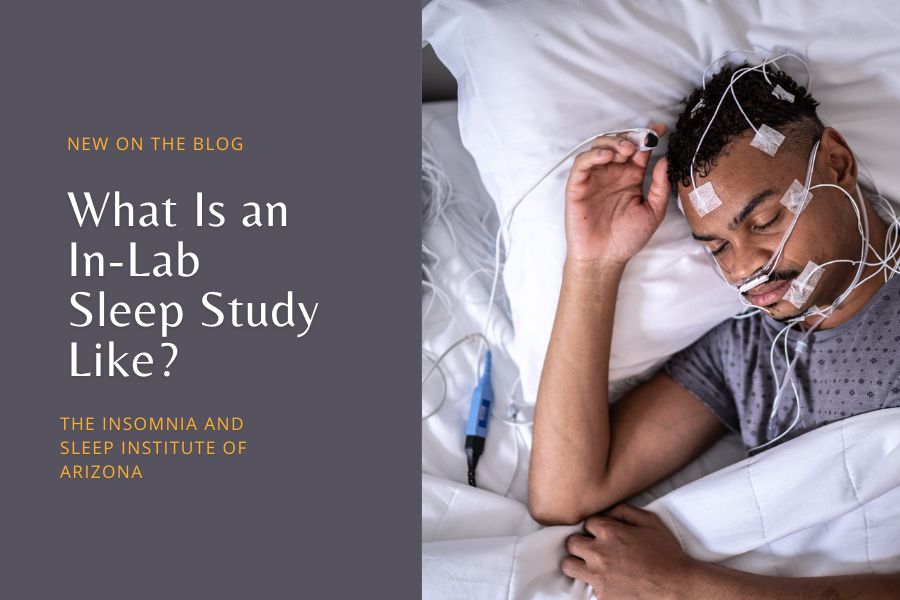
- Hook-up process: The technologist will gently attach sensors to your scalp, chest, legs, and face.
- Testing overview: You’ll get a quick explanation of what the sensors do and what the night will involve.
- Lights out: Once everything is set up, you’ll be asked to relax and try to fall asleep as naturally as possible.
Throughout the night, a trained technician monitors your sleep from another room, watching the data and checking in if something needs adjusting. You’re not alone, and you’re not being judged. Just quietly monitored, so the data tells the full story of your sleep.
What Kind of Equipment Is Used?
Polysomnography is one of the most detailed non-invasive tests in modern medicine. The equipment might look intimidating at first, but each component serves a clear purpose.
Sensors typically monitor:
- Brain waves (EEG): Detect different stages of sleep.
- Eye movements (EOG): Identify REM and non-REM stages.
- Chin muscle tone (EMG): Helps determine sleep phases and detect movement.
- Heart rate (ECG): Tracks cardiovascular activity throughout the night.
- Nasal airflow: Measures breath intake through a thin tube or sensor.
- Chest and abdominal belts: Measure breathing effort and detect apnea events.
- Oxygen saturation (SpO2): A finger sensor tracks drops in oxygen.
- Snoring microphone and body position sensor: Helps correlate events like apneas with position or sound.
Despite the number of wires, everything is designed to be as comfortable and unobtrusive as possible. The sensors are attached with medical-grade adhesive or soft straps. Nothing punctures the skin, and nothing is painful.
Can You Really Sleep With All That Gear?
It’s a fair question. And yes, most people are surprised to find they do manage to sleep.
It might take a little longer to fall asleep, but the body’s natural drive for rest usually takes over. You don’t need a full eight hours, either, just enough time to capture several sleep cycles. Majority of patients sleep well enough for accurate results, even with the wires and sensors.
To make things easier, stick to your usual nighttime routine. Bring familiar items like your pillow or a calming playlist. Don’t hesitate to ask for help if anything feels off. Technologists can adjust equipment for comfort. You can move around freely and even get up if needed. And if sleep just doesn’t come, that’s okay too. The team will assess the data collected and, if necessary, explore other options like a follow-up test.
What If You Have Trouble Sleeping During the Study?
As we mentioned, sleep studies don’t require a full eight hours. They’re designed to capture key sleep stages and patterns. Even just a few hours can reveal issues like breathing disruptions, oxygen drops, or abnormal movements. Technicians also account for the “first-night effect,” where sleep may be lighter in a new setting. That’s normal and factored into the analysis. So your results remain valid even if you don’t sleep perfectly.
What Happens the Next Morning?
You’ll usually be woken up between 5:00 and 7:00 AM. A technologist will gently remove the sensors and wires. This part is quick. Most patients are out the door within 30 minutes.
What to expect after the study:
- You may have slight marks or skin redness from adhesive, but this fades quickly.
- You’ll resume normal activity immediately unless your doctor has said otherwise.
- Don’t expect results on the spot. A sleep study generates hundreds of pages of data that must be reviewed and interpreted by a board-certified sleep physician.
How long does it take? Typically, you’ll get a call within a few days to a week. If results are urgent, like severe sleep apnea or dangerous oxygen drops, you may hear sooner.
After that, you’ll meet with your doctor to review the findings and discuss next steps. They’ll explain the patterns seen during your sleep, how those relate to your symptoms, and what treatment options are appropriate.
What Can the Sleep Study Reveal?
A properly conducted in-lab sleep study is incredibly detailed. It doesn’t just tell you if you sleep, it reveals how you sleep, how well you sleep, and what’s going wrong when you don’t.
Here are the most common issues a sleep study can diagnose:
- Obstructive Sleep Apnea (OSA): Partial or full collapse of the airway during sleep. Causes loud snoring, gasping, and oxygen drops. Affects over 22 million Americans, many undiagnosed.
- Central Sleep Apnea (CSA): A brain-based failure to send breathing signals. Rare, but serious.
- REM Behavior Disorder (RBD): Acting out dreams, sometimes violently. Linked to neurodegenerative diseases like Parkinson’s.
- Narcolepsy: A brain disorder causing sudden sleep episodes. Usually confirmed with a follow-up daytime test (MSLT).
- Periodic Limb Movement Disorder (PLMD): Repetitive, jerky leg movements. Can disrupt sleep without you knowing.
- Insomnia with misperception: People often feel awake while EEG shows they are sleeping. This mismatch is key to proper treatment.
More subtle findings include:
- Reduced REM sleep—important for memory and mood.
- Sleep fragmentation—many tiny arousals, often unnoticed, that ruin sleep quality.
- Oxygen desaturations—even slight drops, if frequent, can strain your heart.
In short, it’s more than just “how many hours” you sleep. A sleep study gives your doctor a minute-by-minute blueprint of your brain, lungs, muscles, and heart while you rest.
Is an In-Lab Sleep Study Better Than a Home Sleep Test?
Both in-lab and home sleep tests serve a purpose, but they’re not interchangeable. Each has specific strengths and limitations.
Home sleep tests (HSTs) are typically prescribed when a patient is suspected of having moderate to severe obstructive sleep apnea (OSA), and nothing else. They’re portable, easy to use, and less expensive. But they come with trade-offs.
Here’s what a home test can do:
- Measure breathing rate, airflow, oxygen saturation, and heart rate
- Detect apnea-hypopnea index (AHI) to assess OSA severity
- Allow you to sleep in your own bed, reducing “first-night effect”
But here’s what it can’t do:
- Measure brain activity (EEG), so it can’t confirm when you’re asleep or what sleep stage you’re in
- Detect REM behavior disorder, narcolepsy, insomnia, or periodic limb movements
- Record subtle arousals or limb twitches that fragment sleep
- Rule out central sleep apnea, which has a different cause and treatment from obstructive sleep apnea
That’s where in-lab sleep studies shine. A full polysomnogram utilizes at least 13 or more sensors to create a comprehensive picture of what occurs in your body and brain during sleep.
So, is an in-lab sleep study better? If your symptoms are complex, the answer is yes. It’s essential when the diagnosis isn’t obvious, or when a home test comes back inconclusive.
In-lab studies are especially recommended for:
- Patients with more than one possible sleep disorder
- People who may have central apnea, REM sleep behavior disorder, or narcolepsy
- Children, older adults, and those with underlying neurological or cardiovascular issues
- Anyone who has had a negative home test but still feels unwell

Can Kids or Older Adults Do In-Lab Sleep Studies?
Yes, and they often benefit the most from them.
For children:
Sleep disorders are frequently misdiagnosed or missed entirely in kids. Loud snoring, behavioral issues, hyperactivity, poor school performance, bedwetting, and night terrors can all be signs of disrupted sleep.
Most sleep labs that work with children allow a parent to stay overnight in the room. The setup is gentler, the equipment smaller, and the process explained in a kid-friendly way.
For older adults:
Sleep changes naturally with age, but excessive fatigue, memory issues, or insomnia aren’t “just aging.”
In-lab studies for older adults are especially important because home tests often miss overlapping conditions, and seniors may have cardiovascular or neurological conditions that require more detailed monitoring.
Whether you’re 7 or 77, quality sleep matters. For both age groups, in-lab testing offers a safer and more comprehensive diagnostic experience.
When You’re Tired of Feeling Tired, Contact Us
The Insomnia and Sleep Institute of Arizona is here to help you figure out what’s disrupting your nights and how to finally get real rest. Whether you’re dealing with loud snoring, constant fatigue, or long nights of tossing and turning, we’ve seen it before. And we know how to dig into the cause.
What makes us different:
- You’ll be seen by board-certified sleep doctors who specialize in diagnosing and managing sleep disorders.
- Our in-lab studies are designed to capture the full picture, including brain activity, oxygen levels, breathing, movement, and more.
- You’ll walk away with clear explanations and a plan backed by research and experience, not just numbers.
- We don’t stop at the test. We guide you through the process that follows, whether that involves CPAP setup, behavioral therapy, or medical support.
- And yes, our rooms are private, quiet, and designed to help you relax, not stress.
If you’re done feeling tired all the time, we’re here to help you figure out why.
Schedule your sleep study with us today. Let’s start getting your nights back on track.
Disclaimer: The information provided in this blog post is for educational and informational purposes only and is not intended as a substitute for professional medical advice, diagnosis, or treatment. Always consult with a licensed healthcare provider for recommendations specific to your individual health needs.