Understanding Obstructive Sleep Apnea
Obstructive sleep apnea (OSA) is more than just snoring — it’s a serious medical condition in which breathing repeatedly stops and starts during sleep. The resulting drops in oxygen can lead to fatigue, cardiovascular issues, and other long-term health risks.
The gold standard for treating OSA is CPAP (Continuous Positive Airway Pressure), which uses gentle air pressure to keep the airway open. CPAP is highly effective when used consistently, but some patients find it difficult to tolerate. Fortunately, for those who struggle with CPAP, there are alternative treatments — though it’s important to choose options based on medical guidance and proper sleep testing.
1. Inspire Upper Airway Stimulation
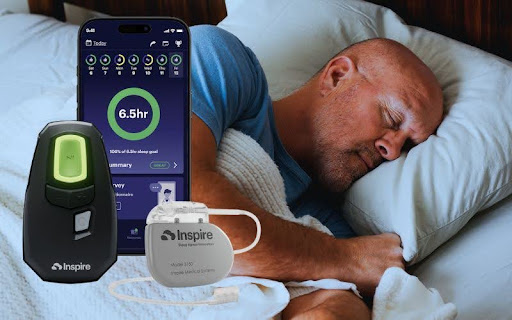
For patients who cannot tolerate CPAP, Inspire represents one of the most advanced and effective alternatives available today. This FDA-approved, fully implantable device gently
Contact us to schedule a comprehensive sleep health consultation. We’re committed to helping Arizona residents achieve optimal sleep health through advanced, patient-centered care.
stimulates the nerve that controls tongue movement, keeping the airway open naturally during sleep.
Key Features of Inspire:
- Designed for moderate to severe obstructive sleep apnea
- Works in sync with the body’s natural breathing cycle
- Controlled by a simple handheld remote
- Completely internal — no mask, hose, or nightly setup
- Long-term results and strong clinical data support its effectiveness
Ideal Candidates for Inspire
- Have tried but cannot tolerate CPAP
- Have a body mass index (BMI) under 32
- Have completed a full sleep study to confirm eligibility
Inspire is rapidly becoming the top alternative for patients seeking freedom from CPAP equipment while maintaining medically verified results.
2. Oral Appliances
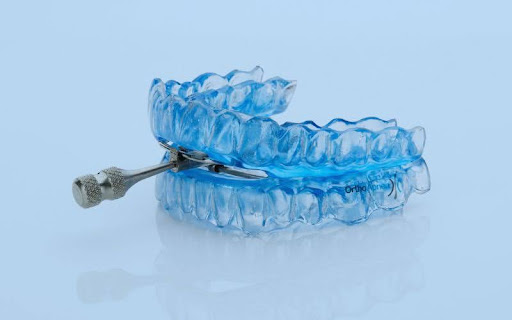
Oral appliances are sometimes marketed as an easy fix for sleep apnea, but their effectiveness is limited. These devices reposition the lower jaw and tongue to help keep the airway open and can be useful for patients with mild or moderate obstructive sleep apnea for those unable to tolerate CPAP.
- Not recommended for severe sleep apnea
- Can cause jaw discomfort or TMJ-related issues
- Should be coordinated between a dentist and a sleep physician — dentists can fit the device, but sleep specialists must oversee diagnosis and treatment. Over-the-counter options are not recommended.
- Require before-and-after sleep studies to ensure the therapy is actually resolving the apnea
Unfortunately, oral appliances are often prescribed or sold without proper diagnostic testing or medical oversight, leaving patients unaware that their sleep apnea may remain untreated.
A sleep study — typically ordered and interpreted by a physician — is essential both before starting and after using an oral appliance to confirm that the condition is properly managed.
3. Airway Surgery

When anatomical factors — such as excess tissue, nasal obstruction, or jaw positioning — contribute to airway blockage, surgery may be considered. Procedures can include:
- Removing or tightening soft tissue in the throat
- Repositioning jaw or facial structures
- Airway reconstruction or expansion procedures
Surgery is typically reserved for patients with specific structural problems or for those who have not responded to CPAP or other therapies.
However, it’s important to understand the limitations of surgery for sleep apnea. While these procedures can reduce snoring and improve airflow, research shows that they rarely normalize the apnea-hypopnea index (AHI) or completely resolve sleep apnea — especially in moderate to severe cases [1]. Long-term success rates vary, and many patients still require CPAP or other ongoing therapy afterward.
Surgical intervention should therefore be considered a targeted or adjunctive option, not a guaranteed cure. A follow-up sleep study remains essential to evaluate the true impact of any surgical treatment on sleep apnea severity.
4. Weight Management and Lifestyle Modification

Excess weight — particularly around the neck and upper airway — is one of the most common risk factors for obstructive sleep apnea. Even a modest reduction in body weight can lead to measurable improvements in snoring, daytime fatigue, and overall breathing stability during sleep.
That said, research consistently shows that weight loss alone rarely cures moderate to severe sleep apnea. Most patients continue to experience some degree of airway obstruction, even after significant weight reduction. For best results, lifestyle changes should be viewed as part of a comprehensive treatment plan that includes CPAP, Inspire, or other medically guided therapies.
Weight management remains extremely beneficial for:
- Reducing apnea severity (lowering AHI scores)
- Improving cardiovascular health and energy levels
- Supporting better long-term sleep quality
Research has showing that although intensive lifestyle interventions led to meaningful improvements in mild OSA, most participants still required ongoing medical management — reinforcing that lifestyle changes are supportive, not curative, for most people.
5.Positional Therapy
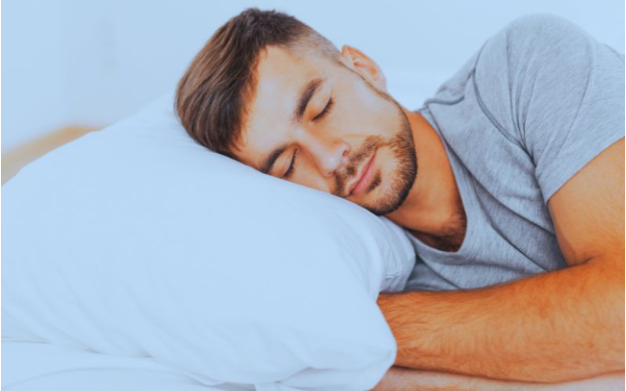
Some people experience sleep apnea primarily when lying on their back — a condition known as positional obstructive sleep apnea (POSA). In these cases, the tongue and soft tissues fall backward during sleep, narrowing the airway and worsening breathing interruptions.
Positional therapy aims to keep the sleeper off their back using specialized pillows, wearable devices, or behavioral strategies. Modern positional therapy devices can gently vibrate to prompt side-sleeping without waking the user.
Clinical studies show that positional therapy can significantly reduce apnea events in people with positional OSA. However, it’s typically less effective than CPAP and rarely normalizes breathing patterns in patients with moderate to severe sleep apnea. For most individuals, positional therapy works best as an adjunct treatment combined with CPAP, oral appliances, or weight management.[3]
The Takeaway
While CPAP remains the most proven and effective treatment for sleep apnea, modern alternatives like Inspire are offering new hope to patients who struggle with nightly mask use.
If you’re considering alternatives such as oral appliances, it’s critical to undergo proper sleep testing before and after treatment to ensure your apnea is fully managed. Untreated sleep apnea — even if symptoms seem improved — can lead to serious health risks.
Contact Us to begin your Personalized Sleep Treatment Plan
At the Insomnia and Sleep Institute of Arizona, our board-certified sleep specialists will help you determine the safest and most effective path — whether that’s optimizing CPAP use, evaluating Inspire therapy, or exploring other clinically sound solutions.
Schedule your comprehensive sleep consultation today to start your path toward better, safer rest.
Disclaimer: The information provided in this blog post is for educational and informational purposes only and is not intended as a substitute for professional medical advice, diagnosis, or treatment. Always consult with a licensed healthcare provider for recommendations specific to your individual health needs.