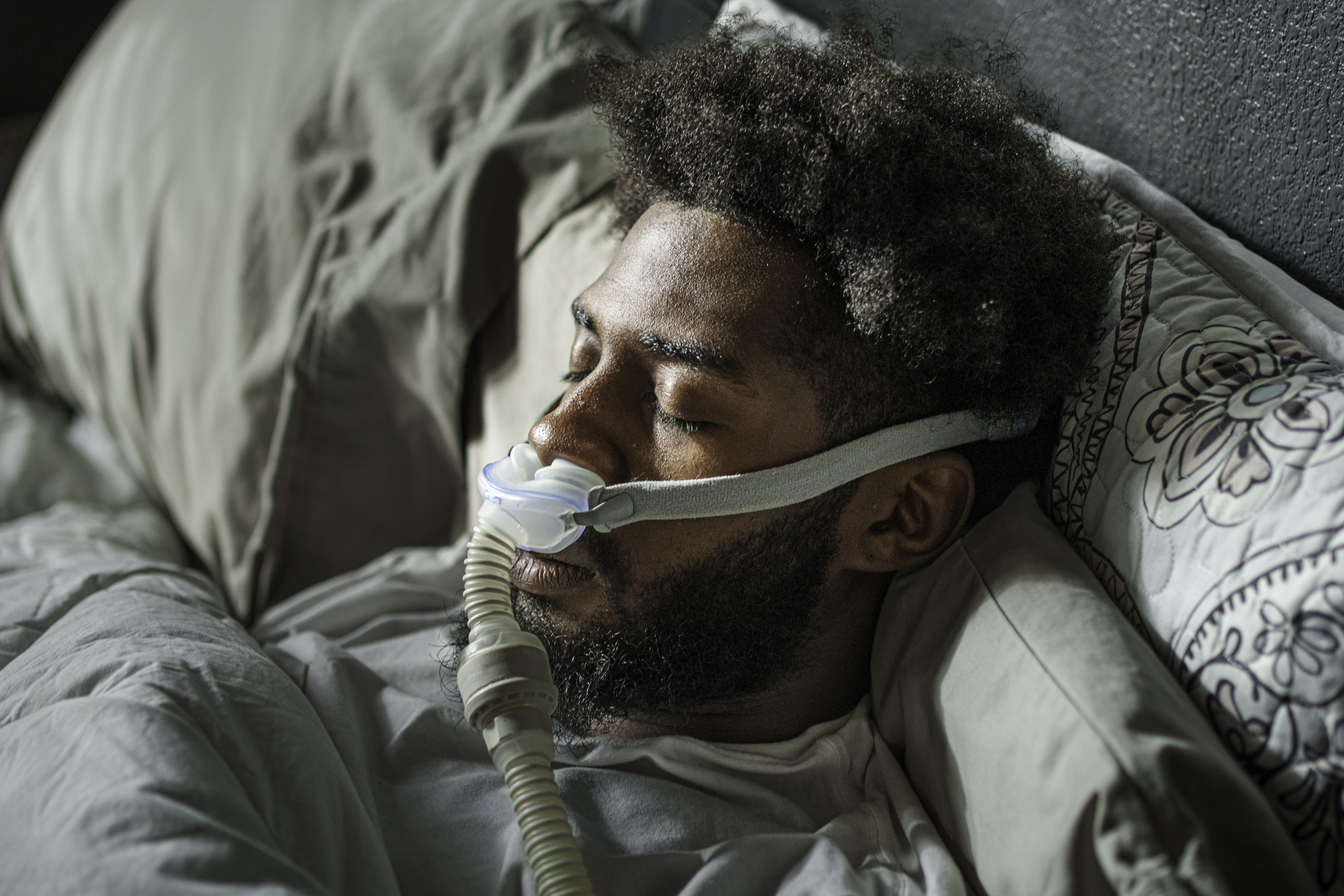
A CPAP mask leaks more easily when facial hair prevents it from sealing tightly against the skin. Beards, mustaches, and stubble create small gaps that allow pressurized air to escape, reducing the effectiveness of your sleep apnea treatment.
If you notice hissing sounds, wake up with a dry mouth, or still feel exhausted despite using your machine, your facial hair may be the problem. The good news is that you don’t have to shave it all off. With the right mask type, grooming strategies, and a few proven accessories, you can keep your facial hair and still get the full benefits of CPAP therapy.
Why Does Facial Hair Cause CPAP Mask Leaks?
CPAP masks rely on direct skin contact to stay airtight. Hair lifts the cushion or creates air channels that leak under pressure. The thicker the beard, the more pronounced the leak.
Facial hair also traps oils, which makes cushions slip more easily. This leads to constant adjusting, discomfort, and worsening leaks. Sometimes the machine even increases pressure to compensate, which further stresses the seal. In fact, a more recent CPAP-focused analysis measuring unintentional air leak exceeding 45 L/min in heavily bearded users supports the idea that thicker facial hair worsens leakage (1).
Signs Your Mask Is Leaking
Leaks often go unnoticed during the night, but the effects of a leaky mask will show up the next day.
Common signs include:
- Hissing sounds from escaping air.
-
- Dry mouth or eyes from disrupted humidification
- Red marks or skin irritation from over-tightening straps
- Feeling tired despite using CPAP all night
- Frequent awakenings from pressure changes
Remember, every mask has intentional venting to release CO₂. What you’re trying to fix are unintentional leaks caused by poor fit or facial hair.
Is Shaving the Only Option?
Shaving is one solution, but it’s not the only one. Many patients successfully use CPAP without giving up facial hair, especially if they adjust other variables like mask type, liner use, and grooming. Some helpful grooming tips are:
Trimming can make a significant difference. For example:
- Keep mustache hair short, especially above the upper lip
- Taper beard edges where the mask contacts the skin
- Wash facial hair nightly to remove oils
- Skip waxes or balms before bed, as they make cushions slip
Mask Types That Work Best with Facial Hair
Some mask designs are simply more beard-friendly than others. Choosing the right one makes a measurable difference in therapy success.
Top options include:
- Nasal pillows – Seal at the nostrils and avoid facial hair entirely. Studies show nasal pillows have the lowest leak rates among facial hair users (2).
- Nasal cradle masks – Sit under the nose, away from cheeks and jaw.
- Hybrid masks – Combine nasal pillows with a mouthpiece for mouth breathers.
- Full-face masks with foam cushions – Memory foam adapts better to hair than silicone.
Avoid standard full-face masks with silicone cushions. They rarely seal well over facial hair. Always try new masks with your provider, since most suppliers allow returns within 30 days.
Features to Look For?
When shopping for a beard-friendly mask, prioritize:
- Minimal contact area
- Cushions made of foam or dual-layered silicone
- Stable, adjustable headgear
- Quiet venting systems
- Optional mask liners or seal accessories
What Accessories Can Improve Mask Fit?
A few add-ons can improve fit:
- Mask liners – Fabric barriers that fill gaps and reduce skin irritation
- Seal gels – Water-based gels that flatten hair and improve cushion contact (avoid petroleum-based products)
- CPAP pillows – Cutouts prevent shifting during side-sleeping
- Strap pads or flexible headgear – Reduce pressure points without over-tightening
Should I Tighten the Straps?
No. When straps are too tight, the cushion flattens unevenly against your face. That actually increases leaks by pulling the seal off-center, especially on curved surfaces like the jawline or cheekbones. Instead:
- Adjust the headgear and straps evenly
- Test the seal with the machine running
- Use the mask-fit function on your CPAP machine if available
- Fit your mask while lying down
What If I Still Can’t Get a Good Seal?
When you’ve tried trimming, adjusting, swapping masks, and still wake up with high leak rates or fatigue, it’s time to get clinical help. There are four possible next steps:
- Professional mask fitting with real-time pressure testing
- Pressure adjustments or switching to BiPAP/APAP therapy
- Alternative treatments like oral appliances, Inspire therapy, or surgery in select cases
Don’t settle for poor therapy. Get the help and support you need to get you back to enjoying a full nights rest.
We’re Here for More Than Just Advice
The Insomnia and Sleep Institute of Arizona provides care that adapts to your real-life challenges. Whether it’s facial hair, mask fit problems, or therapy issues, none of these are barriers when your sleep team pays attention to the details.
Our board-certified sleep physicians, respiratory therapists, and experienced staff stay directly involved throughout your treatment. We work through what’s not working and fix it. That includes in-person mask fittings, pressure adjustments, equipment upgrades, or exploring non-CPAP therapies when needed.
Still dealing with leaks? Straps pulling too tight? Constant fatigue despite wearing the mask? Considering alternatives like Inspire? We can help.
We serve patients in Scottsdale, Gilbert, and Phoenix.
Message The Insomnia and Sleep Institute of Arizona today. Contact us today to get sleep therapy that actually works.
References
- Martinot, J., Hostaux, L., Malhotra, A., Hwang, D., & Pépin, J. (2024). Air leak phenotyping by mandibular jaw movement analysis in CPAP therapy: Key insights for practitioners. Respirology Case Reports, 12(9). https://doi.org/10.1002/rcr2.70030
- Bachour, A., Avellan-Hietanen, H., Palotie, T., & Virkkula, P. (2019). Practical Aspects of Interface Application in CPAP Treatment. Canadian Respiratory Journal, 2019, 1–8. https://doi.org/10.1155/2019/7215258
Disclaimer: The information provided in this blog post is for educational and informational purposes only and is not intended as a substitute for professional medical advice, diagnosis, or treatment. Always consult with a licensed healthcare provider for recommendations specific to your individual health needs.