Sleep Blog
Read the latest tips, news, and information about The Insomnia and Sleep Institute of Arizona.
Mis-Diagnosis of Sleep Apnea
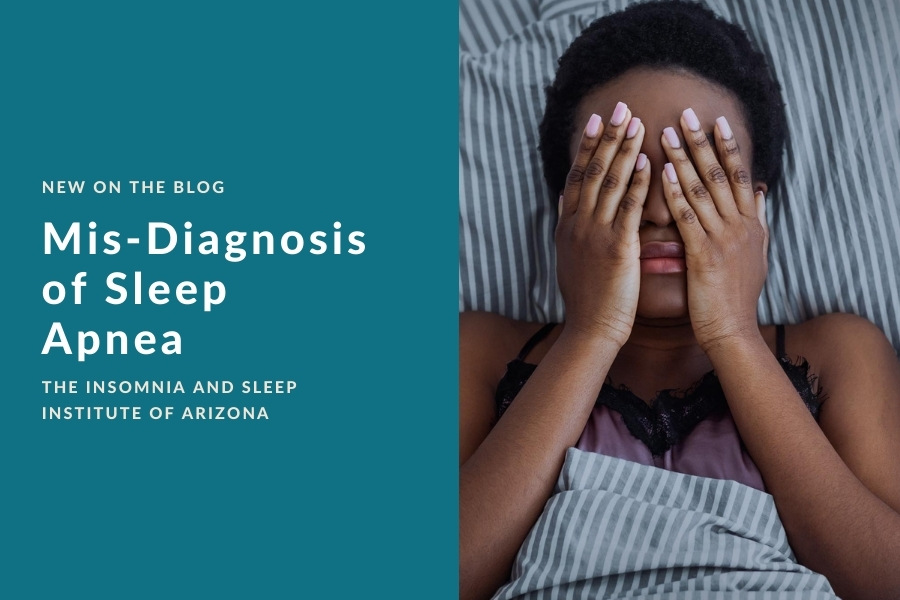
Recently, a 78-year-old woman in Maine shared her story of a misdiagnosis. When she was 64, her primary care physician referred her to a memory clinic and neurologist with the suspicion that Alzheimer’s was causing Donna Beveridge’s memory loss. However, after years of mis-diagnoses, it was eventually discovered that the real culprit was sleep apnea. The Insomnia and Sleep Institute of Arizona is committed to providing patients with accurate diagnoses, which are critical to informing proper testing and treatment. Many people never see a sleep
Over 80 and Have OSA?
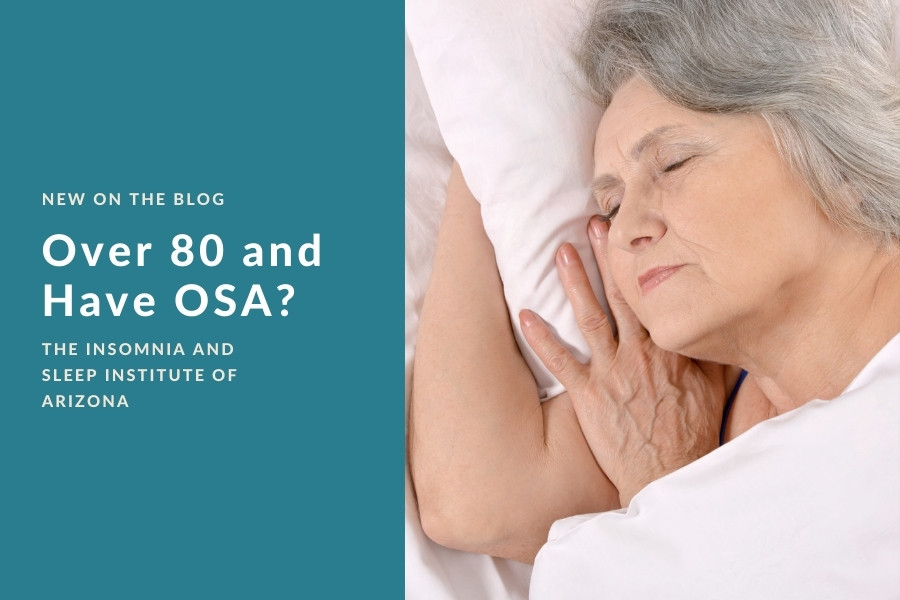
CPAP has long been the gold standard for managing obstructive sleep apnea (OSA), the most common form of sleep apnea. At The Insomnia and
Poor Sleep Linked to Depression in Singapore Study
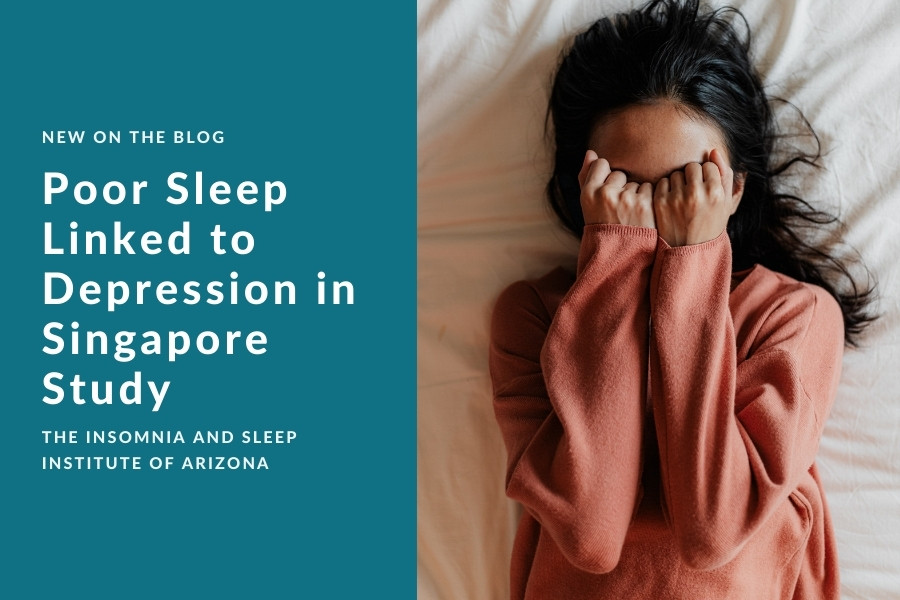
Sleep is an integral part of your holistic health, impacting (for better or worse) physical, emotional, mental, and social well-being. The Insomnia and Sleep
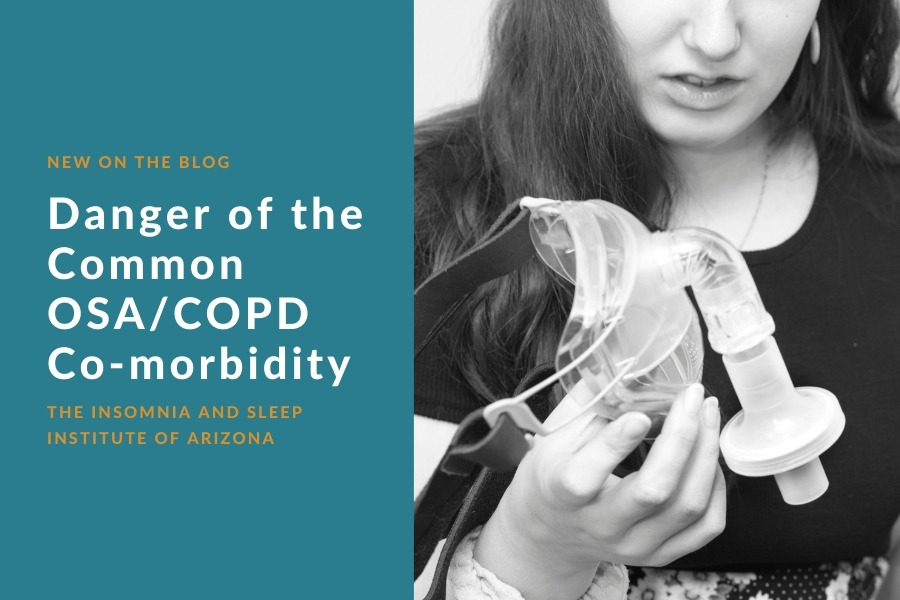
Danger of the Common OSA/COPD Co-morbidity
The most common type of sleep apnea is obstructive sleep apnea (OSA), and many people who struggle with OSA also have chronic obstructive pulmonary

Our Alert, Sleeping Brain
What is the connection between sleep and brain health? Quite a bit, with one recent study revealing how hyper-alert the brain is to unfamiliar
Have You Tried Paleo Sleep?
You know about the Paleo diet, the trend of eating “like our ancestors,” but what about sleeping like our ancestors? According to some experts,
Poor Sleep Linked to 3x the Risk of Heart Disease
Sleep experts have long known that poor quality sleep is connected to heart disease, but a recent article in Scientific Reports found that those

Later School Starts Benefit the WHOLE Family
If you’re one of the lucky few parents whose children attend a school with later than usual start times, you may have noticed that
The Obesity-Poor Sleep Link
Obesity in the United States has been steadily increasing since the 1980s, with the disease now affecting around 12 percent of the adult population