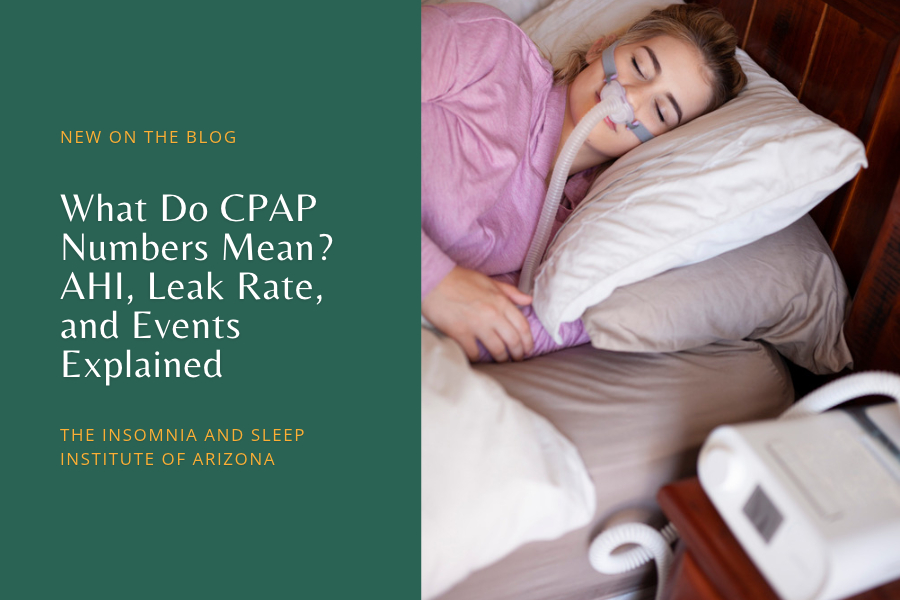
The short answer is no, Zepbound cannot automatically replace your CPAP machine right away. While Zepbound can significantly reduce how often breathing pauses occur throughout the night, it is not an immediate, one-to-one swap for continuous positive airway pressure (CPAP). Some patients may eventually be able to lower their air pressure settings or even discontinue their device, but that choice requires formal medical testing rather than guesswork.
Adjusting to life with a CPAP machine is rarely simple. Millions of people struggle with mask fit, dry air, and the awkwardness of being hooked up to tubing every evening. CPAP therapy has also appeared in popular culture. In the 2021 Marvel movie Spider-Man: No Way Home, Happy Hogan, played by Jon Favreau, is shown sleeping with a CPAP mask as Peter Parker talks to MJ late at night. The brief scene portrays CPAP use as part of an ordinary bedtime routine, something familiar to many people receiving treatment for obstructive sleep apnea.
And it is completely natural to wonder if an injection could allow you to pack the machine away for good. However, sleep apnea is a serious physical disorder that requires careful medical monitoring before any changes are made.
What Is Zepbound and How Does It Connect to Sleep?
On December 20, 2024, the FDA approved Zepbound (tirzepatide) as the first medication indicated for moderate to severe obstructive sleep apnea (OSA) in adults with obesity (1). The drug is prescribed alongside a reduced calorie diet and increased physical activity (1).
The biological connection between weight and nighttime breathing is straightforward. Zepbound mimics two natural gut hormones, GLP-1 and GIP, which regulate appetite and signal fullness to your brain (2). As body weight decreases, occurance of OSA also decreases (1), presumably because fatty tissues around the neck, soft palate, and throat decrease as well. Less tissue pressing inward means fewer obstructions in the upper airway during sleep. While dropping weight removes physical pressure on your breathing passages, it does not alter the underlying bone structure of your jaw or the natural shape of your throat.
What the Clinical Studies Show
The medical data supporting Zepbound comes from the SURMOUNT-OSA trials, which followed 469 adults with obesity and moderate to severe sleep apnea across 52 weeks (3).
The researchers studied two distinct patient groups:
- People who were unable or unwilling to use positive airway pressure therapy (3).
- People who were already using positive airway pressure therapy and planned to continue (3).
Participants received either tirzepatide at weekly doses of 10 mg or 15 mg, or an inactive placebo (3).
In the first group, patients taking tirzepatide experienced an average drop in their apnea-hypopnea index (AHI) of 25.3 breathing interruptions per hour, compared to a reduction of only 5.3 events per hour in the placebo group (3). In the second group, participants had an average reduction of 29.3 events per hour, compared to 5.5 events per hour with the placebo (3).
In sleep medicine, severity is tracked using the AHI score, which counts the total number of times your breathing stops or becomes shallow each hour. An AHI of 30 or higher marks severe sleep apnea. Compared with placebo, tirzepatide lowered the AHI by about 20 events per hour in the first group and about 24 in the second, a clinically meaningful reduction (3). However, a lower AHI score does not mean sleep apnea has completely vanished. Many participants in the trials still recorded mild or moderate airway blockages, meaning their airways still narrowed during rest (3).
Why Zepbound and CPAP Work Differently
A CPAP machine and a weight loss medication approach the same problem from opposite directions.
A CPAP machine acts as an immediate physical splint. It delivers continuous, gently pressurized room air through a mask to physically keep soft throat tissues from collapsing. Decades of clinical evidence, including guidelines from the American Academy of Sleep Medicine, support positive airway pressure for treating daytime sleepiness, improving sleep-related quality of life, and lowering blood pressure in people with hypertension (4). When the machine is running, the airway stays open.
Zepbound works gradually over many months as your body mass index changes. It does not blow air into your lungs, and it cannot physically support your airway tonight. Because these treatments operate so differently, Zepbound is designed to complement CPAP therapy rather than replace it overnight.
Why You Cannot Rely on How You Feel
A common trap for patients is assuming that because they feel more awake or have stopped snoring, their sleep apnea has cured itself.
Clinical guidelines suggest that a repeat sleep evaluation should be considered after a patient experiences significant weight loss of roughly 10% to 20% of their body weight (5). This follow-up assessment typically involves a home sleep apnea test or an overnight in-lab study (5).
Our sleep physicians review the objective data from that sleep study before making any changes. If the study shows that your airway remains stable without pressure support, your doctor can safely guide you through discontinuing CPAP. If interruptions are still present, your settings can be lowered while keeping you safe.
How Long Does Improvement Take, and What Happens If You Stop?
There is no fixed calendar for when a person can safely stop using CPAP. In the clinical studies, patients were monitored over a full 52 weeks while doses were gradually increased to the target amount (3). Every body responds at its own rate.
It is also vital to understand what happens if you stop taking the medication. In the SURMOUNT-4 trial, adults took tirzepatide for 36 weeks and were then randomized to either stay on the drug or switch to a placebo (6). Over the following year, participants who stopped tirzepatide regained an average of 14% of their body weight, whereas those who continued lost an additional 5.5% (6).
Because excess weight contributes directly to airway collapse, we can confidently assume that regaining weight often causes sleep apnea events to increase again. Any plan to pause or discontinue Zepbound requires close medical coordination to protect your breathing.
Eligibility and Side Effects
Zepbound is approved specifically for adults with obesity and moderate to severe obstructive sleep apnea. Treatment begins at a low dose and increases slowly to minimize stomach upset, with target weekly maintenance doses of 10 mg or 15 mg.
Common side effects include nausea, diarrhea, vomiting, constipation, and stomach discomfort. Less common but serious risks include pancreatitis, gallbladder complications, and kidney injury linked to dehydration. Zepbound also carries a boxed warning regarding thyroid C-cell tumors found in animal studies, though whether this applies to humans is unknown (7). A licensed clinician must review your personal and family medical history before starting treatment.
Protecting Your Sleep Health
If you are taking Zepbound or considering it, do not put your CPAP in the closet just yet. At The Insomnia and Sleep Institute of Arizona, our fellowship-trained sleep physicians help patients navigate every step of CPAP management.
We evaluate your symptoms, monitor your treatment, and perform follow-up sleep testing to verify when airway changes have truly taken place. Our clinic serves patients throughout Gilbert, Phoenix, or Scottsdale with physician-led care. Contact us at (480) 745-3547 or book an appointment to take the next safe step in your sleep journey.
References
- Office of the Commissioner. (2024, December 20). FDA Approves First Medication for Obstructive Sleep Apnea. U.S. Food and Drug Administration; FDA. https://www.fda.gov/news-events/press-announcements/fda-approves-first-medication-obstructive-sleep-apnea
- Office of the Commissioner. (2024, August 9). FDA Approves New Medication for Chronic Weight Management. U.S. Food and Drug Administration; FDA. https://www.fda.gov/news-events/press-announcements/fda-approves-new-medication-chronic-weight-management
- Malhotra, A., Grunstein, R. R., Fietze, I., Weaver, T. E., Redline, S., Azarbarzin, A., Sands, S. A., Schwab, R. J., Dunn, J. P., Chakladar, S., Bunck, M. C., Bednarik, J., & SURMOUNT-OSA Investigators. (2024, October 3). Tirzepatide for the Treatment of Obstructive Sleep Apnea and Obesity. The New England Journal of Medicine; PubMed Central. https://doi.org/10.1056/NEJMoa2404881
- Patil, S. P., Ayappa, I. A., Caples, S. M., Kimoff, R. J., Patel, S. R., & Harrod, C. G. (2019, February 15). Treatment of Adult Obstructive Sleep Apnea with Positive Airway Pressure: An American Academy of Sleep Medicine Clinical Practice Guideline. Journal of Clinical Sleep Medicine : JCSM : Official Publication of the American Academy of Sleep Medicine; PubMed Central. https://doi.org/10.5664/jcsm.7640
- Caples, S. M., Anderson, W. M., Calero, K., Howell, M., & Hashmi, S. D. (2021). Use of polysomnography and home sleep apnea tests for the longitudinal management of obstructive sleep apnea in adults: an American Academy of Sleep Medicine clinical guidance statement. Journal of Clinical Sleep Medicine : JCSM : Official Publication of the American Academy of Sleep Medicine, 17(6), 1287–1293. PubMed Central. https://doi.org/10.5664/jcsm.9240
- Aronne, L. J., Sattar, N., Horn, D. B., Bays, H. E., Wharton, S., Lin, W.-Y., Ahmad, N. N., Zhang, S., Liao, R., Bunck, M. C., Jouravskaya, I., Murphy, M. A., & SURMOUNT-4 Investigators. (2024, January 2). Continued Treatment With Tirzepatide for Maintenance of Weight Reduction in Adults With Obesity: The SURMOUNT-4 Randomized Clinical Trial. JAMA; PubMed Central. https://doi.org/10.1001/jama.2023.24945
- DailyMed – ZEPBOUND- tirzepatide injection, solution ZEPBOUND- tirzepatide injection, solution ZEPBOUND KWIKPEN- tirzepatide injection, solution. (2026). Nih.Gov. https://dailymed.nlm.nih.gov/dailymed/drugInfo.cfm?setid=487cd7e7-434c-4925-99fa-aa80b1cc776b
Disclaimer: The information provided in this blog post is for educational and informational purposes only and is not intended as a substitute for professional medical advice, diagnosis, or treatment. Always consult with a licensed healthcare provider for recommendations specific to your individual health needs.