You can still get valuable results even if you don’t sleep well during a sleep study. It’s normal to worry about not being able to sleep in a new setting, especially with sensors attached. But the truth is, sleep specialists can still collect enough diagnostic data even without a full night’s sleep.
Just a few hours, or sometimes minutes, can reveal problems like breathing pauses, restless movements, or unusual sleep patterns. And if you truly can’t fall asleep, you may be able to reschedule or try a home sleep test instead.
What Happens If I Truly Can’t Sleep at All?
If you genuinely can’t fall asleep during a sleep study, don’t panic. Sleep technicians are trained to handle this rare situation professionally. Sleep studies do not require a full eight hours. As little as 120 minutes of sleep can often be enough for an accurate diagnosis of sleep apnea or other disorders (1).
However, if absolutely no measurable sleep occurs, a scenario called a failed study, the sleep physician may recommend a repeat study. Some centers offer rescheduling at no extra cost or may consider a home sleep apnea test (HSAT) if appropriate. Importantly, even staying awake the entire night gives doctors useful information about conditions like psychophysiological insomnia, where the struggle itself is part of the diagnosis.
Can I Take a Sleep Aid Before the Study?
Taking a sleep aid before a sleep study is generally discouraged unless specifically advised by your healthcare provider. Sleep aids, including over-the-counter options like melatonin or prescription medications such as zolpidem (Ambien), can alter sleep architecture, particularly REM and deep sleep stages, and may affect breathing patterns, potentially impacting the accuracy of the study’s results.
If you regularly use a prescribed sleep aid, it’s essential to inform your sleep specialist. In some cases, continuing your usual medication may be appropriate, but this decision should be made in consultation with your doctor. Never self-medicate or introduce new sleep aids without medical guidance, as this could compromise the study’s effectiveness and your safety.
Always provide a complete list of all medications and supplements you’re taking to the sleep center staff. This information helps guarantee accurate interpretation of your sleep patterns and the overall success of your sleep study.
Will Anxiety About the Test Mess Up the Results?.
Feeling a bit anxious before a sleep study is completely normal. In fact, research shows that nearly half of all patients sleep more lightly or wake up more often their first night in a new place (2). This is known as the “first-night effect.” Sleep techs are trained to expect this and know how to work around it. They adjust how they interpret your results to make sure the data is still accurate.
Anxiety might slightly delay how long it takes you to fall asleep (called sleep latency) or reduce your time spent in REM sleep. But modern diagnostic criteria focus heavily on what happens when you are asleep, not on achieving perfect sleep.
Moreover, some findings, such as fragmented sleep, delayed onset, or frequent arousals, may themselves indicate clinically relevant insomnia patterns.
On the other hand, Patients may find that anxiety decreases dramatically once they realize the study room is quiet, private, and attended by highly trained professionals focused entirely on their comfort.
Can I Move Around During the Study?
Yes, you can, and you should, move naturally during the night. Wires and sensors are applied with enough slack and flexibility to allow normal tossing, turning, and position changes.
Sleep studies aim to capture your real-world sleep behavior. Restricting natural movement would make the data less reliable.
If you need to get up, to use the restroom, adjust your bedding, or simply stretch, press the call button. The technician will temporarily disconnect and reconnect your sensors with minimal disruption. This is a normal part of the process, and technicians are trained to ensure you stay comfortable without losing valuable data.
Movement during sleep, including rolling, shifting, or even sitting up briefly, is also recorded and analyzed. Abnormal movement patterns, like excessive limb jerks (seen in periodic limb movement disorder), can even be part of the diagnosis.
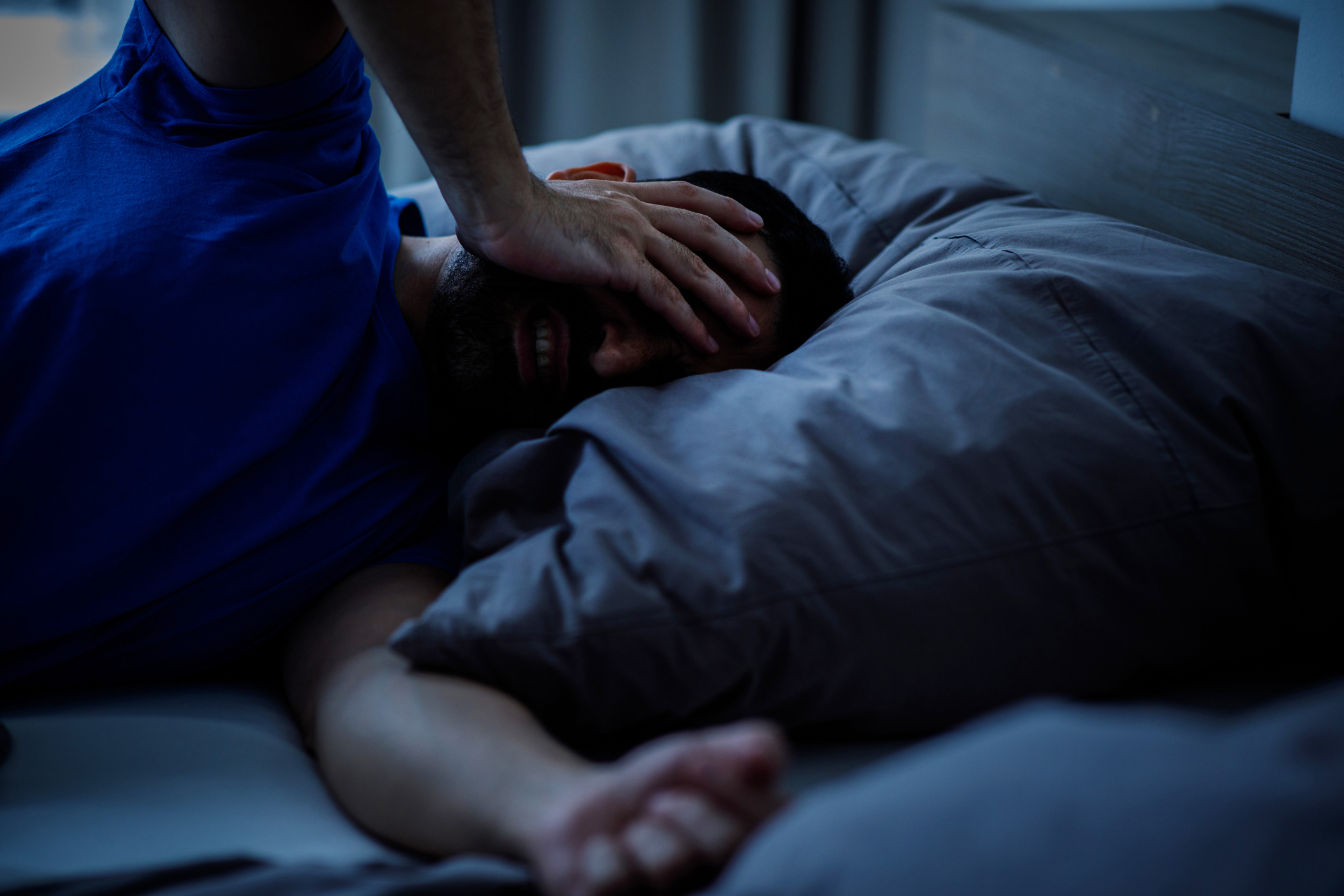
What If I Have Insomnia and Worry I’ll Stay Awake?
If you live with chronic insomnia, worrying about not sleeping during a study is natural, but often unnecessary.
Interestingly, trying too hard to sleep often makes it harder. Experts recommend shifting your mindset: instead of pressuring yourself to sleep, simply aim to rest. Lie comfortably, breathe deeply, and allow sleep to happen if it will.
If your insomnia is severe, your difficulty falling asleep is valuable data. Sleep studies can detect key insomnia markers, such as prolonged sleep latency, reduced sleep efficiency (percentage of time asleep while in bed), and increased arousal frequency.
Additionally, insomnia often coexists with other disorders like sleep apnea or periodic limb movement disorder. Identifying these hidden factors during a sleep study can dramatically improve treatment outcomes.
What Can Technicians Do If I’m Really Having Trouble?
Technicians can make adjustments such as:
- Dimming the lights further to create a more sleep-friendly environment
- Lowering room temperature if you’re too warm
- Providing white noise or sound machines if silence feels unsettling
- Adjusting sensors if anything feels tight, itchy, or uncomfortable
- Guiding you through simple relaxation techniques to reduce pre-sleep anxiety
- Allowing extra time at the beginning of the night if you need to settle in gradually
Some facilities even offer comfort amenities such as personal thermostats, blackout curtains, or softer mattress toppers.
Importantly, technicians do not expect perfection. Their role is to create the best possible conditions for you, while still collecting the data your doctor needs to help diagnose and treat you effectively.
Can I Reschedule If I Absolutely Can’t Sleep?
You can reschedule if absolutely necessary. But it’s not a decision taken lightly. Most sleep centers allow a second attempt if your first night yields too little usable data.
Before rescheduling, the sleep physician will review how much data was captured. Sometimes, even fragmented sleep is enough to make a diagnosis, meaning a second study isn’t needed. If a reschedule is required, many labs prioritize quick rebooking, understanding that prolonged delays could worsen sleep health.
Importantly, if anxiety was the main barrier, your doctor might suggest techniques to improve comfort next time, or in some cases, arrange a home sleep test for more natural results.
Is Home Sleep Testing Better If I’m Too Anxious?
If you’re too anxious about an in-lab sleep study, a Home Sleep Apnea Test (HSAT) might sound easier, and in some cases, it is. HSAT works well for diagnosing moderate to severe obstructive sleep apnea in people who don’t have other serious health issues. The main benefit? You sleep in your own bed, which can help ease anxiety.
But HSAT has limits. It can’t pick up on other sleep disorders like central sleep apnea, narcolepsy, REM behavior disorder, parasomnias (like sleepwalking), or periodic limb movement disorder. It also isn’t as accurate for detecting mild sleep apnea. That’s why, according to the American Academy of Sleep Medicine, in-lab sleep studies are still the gold standard when doctors need more detailed information.
If your anxiety about the lab is overwhelming, talk to your doctor. You may be able to start with HSAT to get more comfortable before doing a full in-lab test later on.
How Do I Mentally Prepare Before the Study?
Start by reframing the event: this is not a test you can “fail.” It’s an opportunity to understand your body better.
Here are proven tips:
- Visualize a calm experience. Mental imagery may reduce pre-sleep anxiety.
- Follow your normal evening routine. Familiarity signals the brain it’s time to wind down.
- Practice deep breathing techniques nightly a week before the study.
- Limit caffeine and alcohol 8–12 hours before arriving.
- Avoid clock-watching during the night; it only fuels anxiety.
Most people sleep better during the study than they fear. And even if you don’t, the data collected will still be useful.
Some Quick Comfort Tips for Sleep Study Night
Small steps can make a big difference:
- Bring your own pillow if allowed, it feels more natural.
- Pack loose, breathable sleepwear to stay comfortable.
- Ask questions before sensor hookup to feel more at ease.
- Request room adjustments. Technicians can tweak temperature, lights, or noise levels
- Use the restroom before hookup to avoid discomfort later.
- Listen to calming music or a guided meditation before lights out (if permitted).
Technicians want you to succeed. They are trained to anticipate needs and quickly troubleshoot any discomfort during the night.
Take Control of Your Sleep Health with The Insomnia and Sleep Institute of Arizona
The Insomnia and Sleep Institute of Arizona understands that a sleep study can feel overwhelming, but it doesn’t have to be.
Our board-certified doctors and experienced sleep technologists have helped thousands of people who thought they’d never fall asleep in a lab setting. We combine medical expertise with a practical approach to real-life sleep problems.
When you come to us for care:
- We focus on your comfort throughout the entire process.
- We use the most advanced tools to get accurate, meaningful results.
- We listen, we explain, and we support you every step of the way.
You don’t have to keep guessing what’s wrong with your sleep. Reach out today!
References
- Gerstenslager, B., & Slowik, J. M. (2023, August 14). Sleep Study. Nih.gov; StatPearls Publishing. https://www.ncbi.nlm.nih.gov/books/NBK563147/
Disclaimer: The information provided in this blog post is for educational and informational purposes only and is not intended as a substitute for professional medical advice, diagnosis, or treatment. Always consult with a licensed healthcare provider for recommendations specific to your individual health needs.