Sleep Blog
Read the latest tips, news, and information about The Insomnia and Sleep Institute of Arizona.
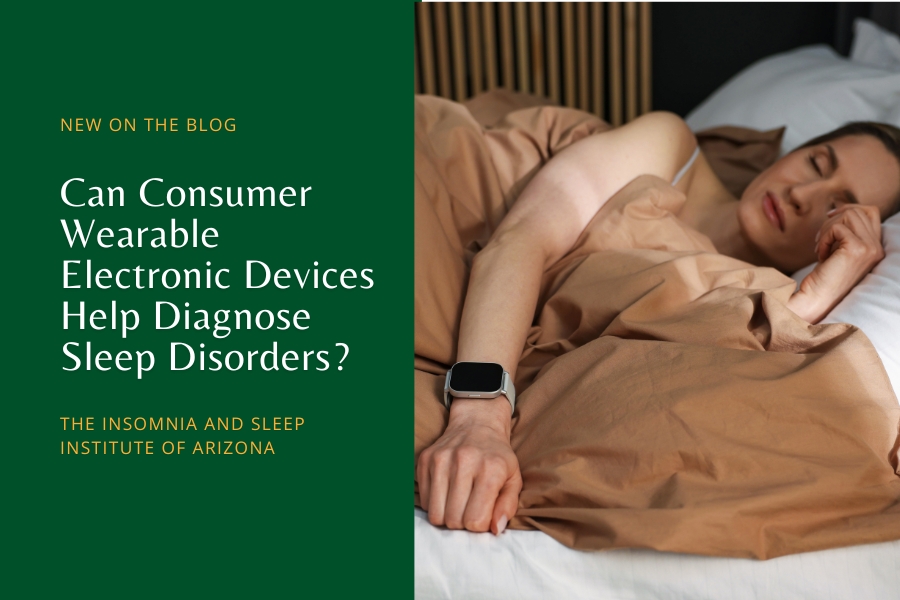
Can Consumer Wearable Electronic Devices Help Diagnose Sleep Disorders?
Consumer wearables (such as Apple Watch, Oura Ring, or Fitbit) can effectively track sleep trends, heart rate variability, and movement, but they cannot diagnose clinical sleep disorders like sleep apnea, chronic insomnia, narcolepsy, or restless legs syndrome on their own. Many of them do however have several biometric features that are helpful in discovering undiagnosed sleep issues, including sleep apnea. Sleep disorders affect 50–70 million Americans, with one in three adults failing to get the restorative sleep needed for long-term health (1). While many turn

Does Sleep Apnea Cause AFib?
Sleep apnea and atrial fibrillation (AFib) are two serious health conditions that frequently occur together. But what’s the real connection between them? Could sleep

Early Sleep Issues Could Predict ADHD Symptoms in Preteens, Study Finds
Could your child’s restless nights be a sign of something more? New research reveals that early sleep issues might not be just a temporary

Can Air Pollution Worsen Sleep Apnea?
Sleep apnea, a serious condition affecting millions, involves repeated interruptions in breathing during sleep. Left untreated can lead to severe health issues. But could
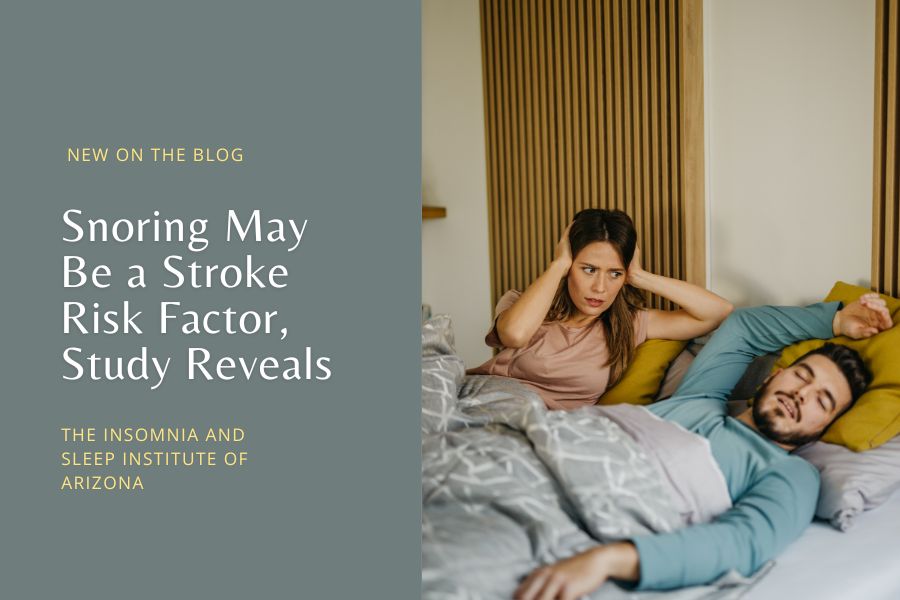
Snoring May Be a Stroke Risk Factor, Study Reveals
Snoring is often dismissed as an annoying habit. Something that disrupts sleep but seems harmless enough. However, new research tells us that snoring could
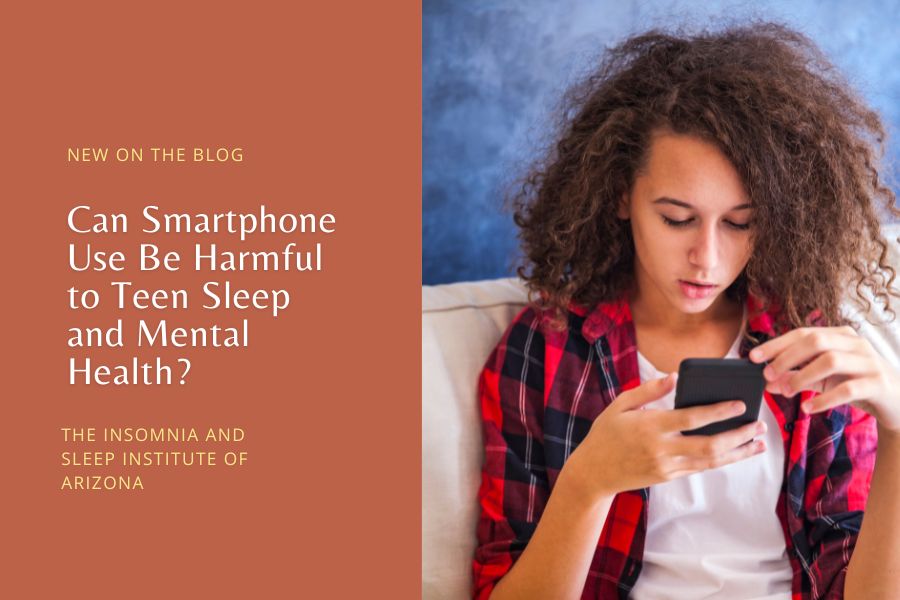
Can Smartphone Use Be Harmful to Teen Sleep and Mental Health?
Smartphones have become an essential part of our lives, especially for teenagers. While these devices offer countless benefits, from staying connected with friends to

Sleep Apnea Treatment Most Effective in Overweight but Non-Obese Individuals
Sleep apnea is a serious condition that affects millions of people, interrupting their breathing during sleep and leading to loss of deep sleep, resulting
Less Than 7 Hours of Sleep Tied to Higher Mortality in Sleep Apnea Cases
Getting less than seven hours of sleep each night is often seen as a minor inconvenience, but for those with sleep apnea, it could
Obstructive Sleep Apnea and Posttraumatic Stress Disorder among Veterans: What’s the Connection?
Obstructive Sleep Apnea (OSA) and Posttraumatic Stress Disorder (PTSD). Two prevalent conditions among veterans, often overlap and compound each other’s effects. Veterans, due to