Sleep Blog
Read the latest tips, news, and information about The Insomnia and Sleep Institute of Arizona.
Can Hormonal Changes Make Sleep Apnea Worse?
Yes, it can, and this is especially apparent in menopause. Hormonal changes can increase the risk of obstructive sleep apnea (OSA) or worsen an existing breathing problem. Lower estrogen and progesterone levels may reduce upper airway muscle tone, pregnancy may cause nasal swelling and fluid retention, and testosterone therapy may affect respiratory control (1). Symptoms such as unexplained exhaustion, snoring, morning headaches, brain fog, or broken sleep may be mistaken for stress or normal aging. We offer clinical evaluations and diagnostic sleep studies to determine
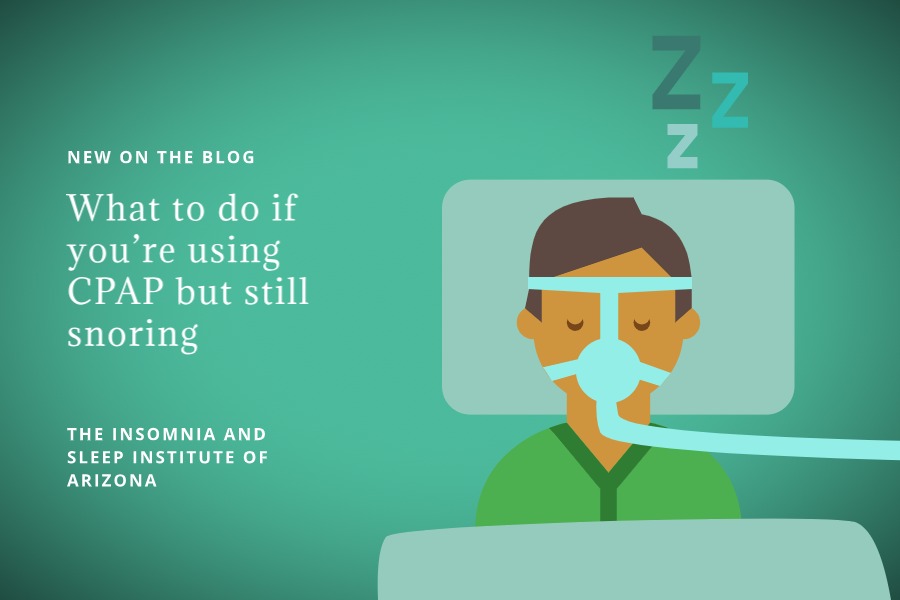
What to Do If You’re Using CPAP But Still Snoring
CPAP machines revolutionize obstructive sleep apnea (OSA) treatment. A steady stream of air pressure ensures your airway stays open through the night. Sleep becomes
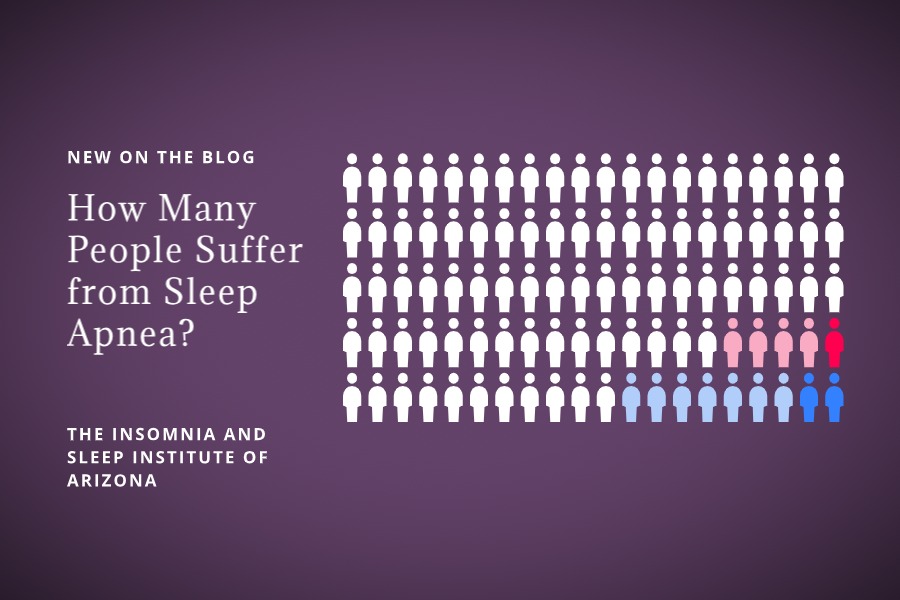
How many people suffer from obstructive sleep apnea (OSA)?
Obstructive sleep apnea (OSA) is a sleep disorder characterized by repeated episodes of breathing cessation during sleep, typically caused by the relaxation of throat
How Effective is CBT-I for Treating Insomnia?
Insomnia is a common problem that affects 10-20%[1] of people worldwide at any given time (though the total proportion of the world that has
Restless Leg Syndrome (RLS) Treatments Compared
Disclaimer: What follows is not meant as clinical advice. The appropriate treatment depends on the individual, and we recommend you contact us to set

“Mirth,” a Surprising Narcolepsy Drug Side Effect in One Case
Narcolepsy is a sleep disorder that typically presents with extreme daytime sleepiness and oftentimes signs of REM dissociation. The technical term is “cataplexy” and
Can Melatonin Help with Circadian Rhythm Disorder?
Sales for melatonin exploded during the pandemic and remain high today. We often think of melatonin as a means for helping with insomnia, but

Sleep Apnea in Kids with Down Syndrome
Many children with Down Syndrome struggle with sleep apnea, and today there are new methods for diagnosing and treating these young patients. One of
Study Shows Night Owls Have Higher Risk of Early Death
Night owls—those who go to bed later and wake up later—are technically a kind of “chronotype.” A recent study revealed that this chronotype is