You should bring anything that helps you sleep comfortably and stick to your usual nighttime routine during a lab sleep study. That includes your sleepwear, medications, toiletries, and a few personal items, because the more natural your sleep, the more accurate the results.
This overnight test isn’t about perfection. It’s about capturing how your body truly rests. And while the room is equipped with everything needed for monitoring, it’s your familiar habits that help you relax.
Why Do I Need to Bring Anything to a Sleep Study?
The more your sleep environment mirrors your normal routine, the better the results will be.
A lab sleep study, also known as polysomnography, is designed to monitor your natural sleep patterns, including your brain waves, breathing, oxygen levels, heart rate, and more. But if you’re anxious, uncomfortable, or feel out of place, your sleep may not reflect your typical night. This is called the “first night effect”, and it’s well-documented in sleep medicine. Studies show that people often sleep differently during the first night in a lab setting, especially if they’re missing familiar cues from home.
Bringing personal items like your own pillow, comfortable pajamas, or nighttime medications helps reduce that effect. The goal is to help your body feel safe, so it can follow its natural rhythms. It’s not about bringing “extras”. It’s about bringing what your body associates with sleep.
What Should I Wear to a Sleep Study?
Simple: whatever you’d normally sleep in. So long as it’s clean, non-restrictive, and sensor-friendly.
You’ll be connected to dozens of small sensors on your scalp, chest, legs, and sometimes face. That means wires will be attached to your skin with adhesives, and those wires need to be accessed easily. So, what should you wear?
Recommended:
- Loose-fitting two-piece pajamas
- T-shirt and elastic shorts or joggers
- A hoodie or robe for warmth if the room feels chilly
- Socks, if cold feet tend to wake you up
Avoid:
- Tight clothing or onesies
- Anything with metal (zippers, snaps, buttons)
- Perfumed detergents or scented body spray on clothes
Tight or complicated clothing can dislodge sensors during sleep, causing inaccurate data or requiring reattachment. Stick with comfort and practicality. If you’re unsure, ask your sleep center for specific clothing guidelines.
What Personal Items Help Me Sleep Better?
The right items make all the difference between tossing and turning or falling asleep naturally. Sleep centers aim for comfort, but the environment won’t be identical to your bedroom. To ease that transition, consider what you rely on every night to feel relaxed and safe.
Common comfort items that help:
- Your own pillow – It supports your head and signals your body that it’s bedtime. (Just check with the lab first; some allow it, some don’t.)
- A familiar blanket or small stuffed item – Especially helpful for patients with anxiety or insomnia.
- Earplugs or white noise app – Sleep labs are quiet, but occasional hallway sounds or new room acoustics can still disrupt.
- Sleep mask – For light-sensitive individuals, this helps block ambient glow from equipment or hallway lights.
These small items can help trigger melatonin production and reduce bedtime anxiety. That means more natural sleep for you and better diagnostic data for your doctor.
Should I Bring Toiletries?
Yes. Bring your own. Sleep labs typically provide only the basics, maybe soap, tissues, and paper towels. But your hygiene routine matters, especially when it comes to sleep quality.
Bring:
- Toothbrush and toothpaste
- Hairbrush or comb
- Face wash or cleansing wipes
- Moisturizer and lip balm (labs can feel dry due to air conditioning)
- Deodorant
Avoid heavily scented lotions, body sprays, or perfumes. Why? Fragrances can irritate skin, trigger headaches, or interfere with sleep. Sleep labs are shared environments. What’s relaxing to you might be distracting to another patient or staff member.
Your evening routine helps your body unwind and prepares it for rest. Don’t skip it. Replicating your usual steps helps preserve your natural circadian signals.
What About My Medications?
Antidepressants, antihistamines, beta-blockers, and even certain pain relievers all impact REM sleep, sleep latency, or arousals. That’s why you should never stop, adjust, or skip your medications unless your doctor tells you to.
Here’s what to do:
- Bring all medications you normally take before bed in their original containers
- Include any OTC supplements, such as melatonin or magnesium
- Write down your full medication list, including dosages and timing
This information helps the sleep team understand how your medications might be influencing your sleep, and helps avoid misinterpretations in your data.
Important: If you take benzodiazepines, sedatives, or sleep aids, let the lab know beforehand. These may affect how your brainwave activity is recorded and whether the study needs adjustments.
Lastly, if your sleep study is meant to diagnose conditions like narcolepsy or idiopathic hypersomnia, your doctor may ask you to discontinue certain medications days before testing. Follow their guidance exactly. This ensures results are both safe and clinically accurate.
Can I Bring My Phone or Electronics?
Yes, but with limits. Phones, tablets, and e-readers are generally allowed before the study begins, as long as they don’t interfere with the setup or equipment. You can use your device to relax while waiting for lights-out. However, once monitoring starts, you’ll be asked to put all electronics away.
Important considerations:
- Bring chargers. Outlets are available in most rooms.
- Use devices for wind-down only. Avoid stimulating games, emails, or work tasks.
- Blue light suppresses melatonin. Studies show screen use before bed delays sleep onset by up to 60 minutes. Consider enabling night mode or using blue-light blocking glasses.
- Headphones are okay, especially for calming music or guided meditation apps.
Electronics won’t affect the test data, but poor sleep due to screen exposure will. Your goal is to sleep as naturally as possible.
Is Food or Drink Allowed?
Most sleep centers allow light, non-caffeinated snacks and a water bottle, especially if these are part of your nightly routine. Think simple, digestible, and sleep-friendly.
Acceptable items:
- Whole grain crackers
- Banana or small piece of fruit
- Nuts (unless allergies are a concern)
- Herbal tea bags (check if hot water is available)
Avoid:
- Caffeine after noon (stays in the system up to 8 hours)
- Alcohol (interferes with REM cycles and is often prohibited)
- Sugary snacks (can lead to blood sugar crashes during the night)
Ask your sleep lab ahead of time if you’re allowed to bring food, and whether there are restrictions.
What Paperwork or Documents Should I Bring?
Don’t skip this part. Incomplete or missing paperwork can delay your study or cause it to be rescheduled.
Essential items:
- Valid photo ID (If needed)
- Insurance card (if applicable)
- Referral from your physician or specialist
- Any pre-completed intake or consent forms
- A list of medications and supplements you take
Also, bring emergency contact information and your sleep diary if you were asked to track sleep habits ahead of time. This helps the clinical team interpret your results more accurately.
Are There Things I Should Not Bring?
Leave anything non-essential or disruptive at home. This ensures both comfort and safety for you and the clinical team.
Do NOT bring:
- Valuables or large sums of money
- Jewelry or watches that must be removed
- Scented lotions, perfumes, or colognes (they can trigger allergies or discomfort)
- Personal bedding, unless approved
- Alcohol, caffeine pills, or recreational substances
Keep it simple. The more neutral the environment, the more focused the results.
What If I Use a CPAP Machine at Home?
Bring it, unless instructed otherwise. If you’ve been diagnosed with sleep apnea and are already using CPAP, your sleep center may want to monitor how well your current settings are working or conduct a CPAP titration study.
Bring:
- Machine
- Mask
- Tubing
- Headgear and chin strap (if applicable)
- Distilled water (if required)
Let the lab know in advance. Some centers have backup equipment, but bringing your own helps replicate your usual routine. If this is your first time being tested for sleep apnea, the lab will provide their own device and set it up for you if needed.
Should I Try to Stick to My Normal Routine?
Try to match your usual evening habits so the data reflects your typical sleep pattern, not an artificially altered one.
Tips:
- Wake up at your usual time the day of the study
- Avoid naps (they reduce your sleep drive)
- Follow your standard wind-down routine
- Eat your usual dinner at your usual time
This helps your internal clock stay aligned, making it easier to fall asleep in the lab and produce usable data.
What Happens If I Can’t Sleep?
Most people eventually fall asleep, even if it takes longer than usual. And even limited sleep provides valuable diagnostic information.
Important facts:
- The test does not require a full 8 hours of sleep
- Technicians are trained to assist if you’re uncomfortable
- Sedatives are not typically used unless pre-approved by your physician
If anxiety about the test is keeping you awake, tell your doctor in advance. Cognitive strategies or breathing exercises may help. And remember, this is not a test you “pass” or “fail.” It’s a tool to help understand your sleep.
What Will the Room Be Like?
Most sleep labs today are designed like comfortable hotel rooms. Private or semi-private, the goal is to make you feel at ease.
You can expect:
- A full-sized bed with clean linens
- Soft lighting
- Bathroom access (sometimes private, sometimes shared)
- A camera and intercom for monitoring (non-intrusive)
- Quiet environment with minimal foot traffic
While the sensors and wires may feel unusual at first, patients typically adjust within minutes.
Will I Be Alone Overnight?
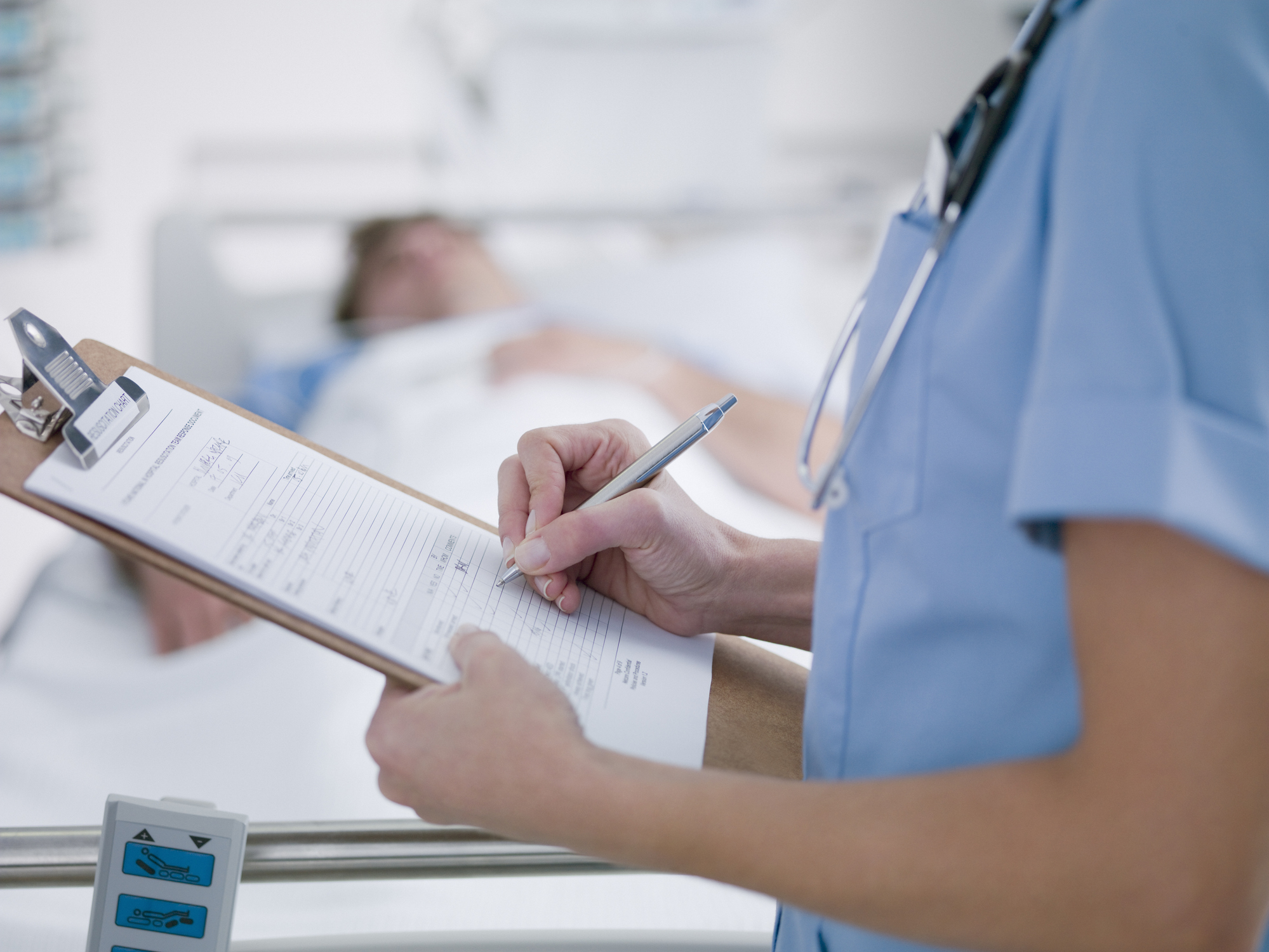
A trained sleep technician monitors you from a nearby control room throughout the night. You’ll be connected to equipment that tracks breathing, brain waves, oxygen, and body movement.
You’re never truly alone.
If you need to go to the bathroom, just press the call button. The technician will help disconnect and reconnect the sensors safely.
What Happens in the Morning?
The study usually ends between 5:0 and 6:30 a.m. The technician will gently wake you, remove the sensors, and give you time to freshen up and change.
After the study:
- You can usually leave by 7:00 a.m.
- Data is sent to a sleep physician for interpretation
- Results take a few days, followed by a consultation with your doctor
If you had a CPAP titration study, you may also receive follow-up recommendations based on your pressure needs and comfort level.
Here’s How We Can Help
The Insomnia and Sleep Institute of Arizona has guided thousands of people through sleep testing with clarity, comfort, and clinical accuracy. We explain what to expect, answer every question, and make sure your overnight stay feels as natural as possible.
Our physicians are board-certified in sleep medicine and have deep experience in diagnosing both common and complex sleep concerns. From insomnia to sleep apnea, we focus on what’s affecting your nights and how to move forward with a clear plan.
Contact us or visit our website to schedule your lab sleep study.
Disclaimer: The information provided in this blog post is for educational and informational purposes only and is not intended as a substitute for professional medical advice, diagnosis, or treatment. Always consult with a licensed healthcare provider for recommendations specific to your individual health needs.