Sleep Blog
Read the latest tips, news, and information about The Insomnia and Sleep Institute of Arizona.
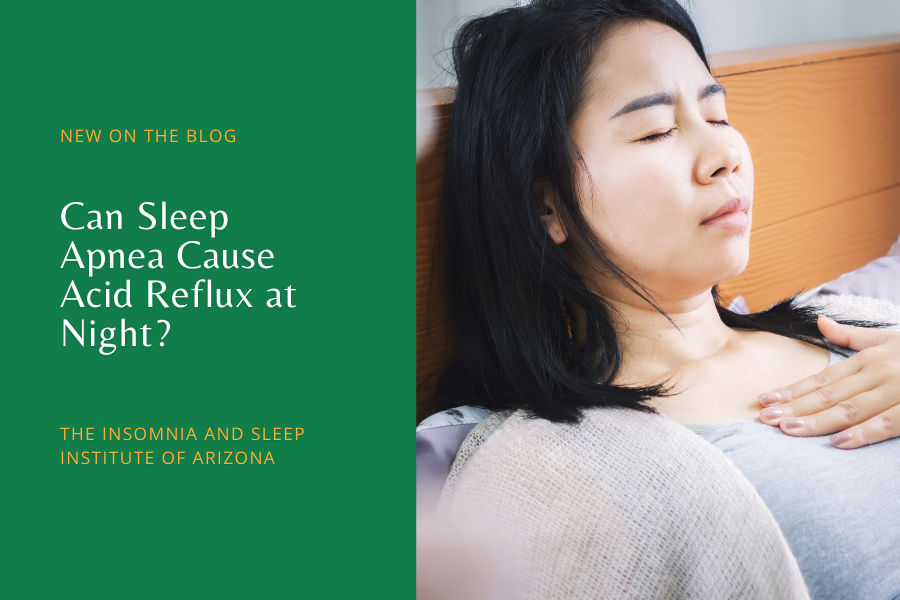
Can Sleep Apnea Cause Acid Reflux at Night?
Sleep apnea does not directly cause gastroesophageal reflux disease (GERD), but the two conditions frequently trigger each other in a frustrating nighttime cycle. While research does not prove that airway blockages mechanically create reflux, treating sleep apnea often provides substantial relief from nighttime heartburn. A 2026 systematic review and meta-analysis found that people with obstructive sleep apnea have nearly double the odds of suffering from GERD compared to those who breathe easily throughout the night (1). However, a larger review published in 2025 examined 49

Can Hormonal Changes Make Sleep Apnea Worse?
Yes, it can, and this is especially apparent in menopause. Hormonal changes can increase the risk of obstructive sleep apnea (OSA) or worsen an
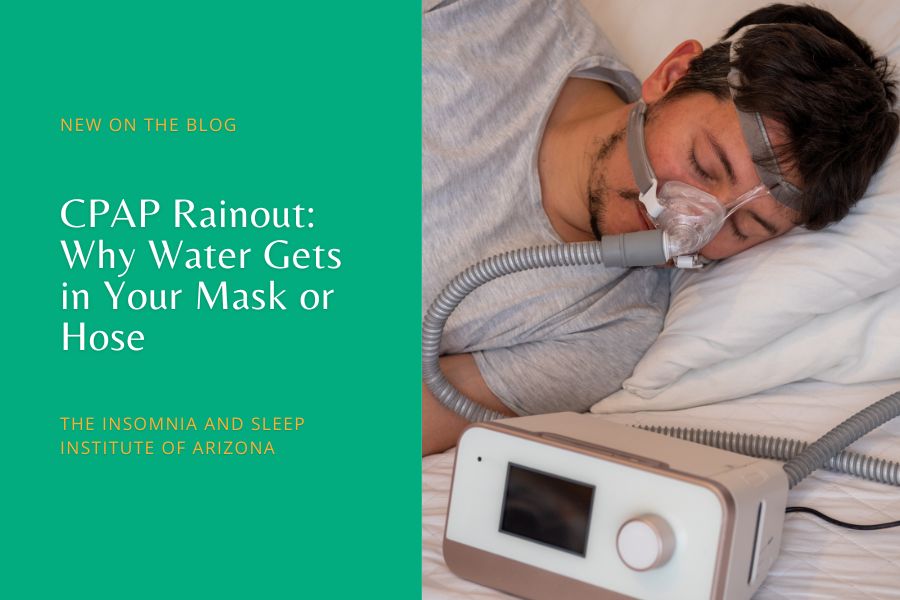
CPAP Rainout: Why Water Gets in Your Mask or Hose
CPAP Rainout: Why Water Gets in Your Mask or Hose Although CPAP continues to be the gold standard for obstructive sleep apnea treatment, it
Can a Home Sleep Study Diagnose Insomnia?
No, but stick around for the explanation because it gets complicated. A home sleep study is really just a breathing test that detects sleep
How Can You Get More REM Sleep?
This is sort of a trick question because REM isn't something you can target on its own. It's a natural outcome of sleeping long

What Is the Inspire Implant Surgery Like?
Inspire obstructive sleep apnea (OSA) implant surgery is a minimally invasive outpatient procedure performed under general anesthesia. The process takes about 90 minutes, and

How to Pick a Sleep Doctor
Sleep clinic vs. sleep lab, sleep doctor vs. sleep specialist- there is a lot of terminology in the world of sleep medicine, which can

Can Sleep Deprivation Cause Dizziness?
Sleep deprivation impacts your brain, body, and balance in ways that may surprise you. Over 35% of adults in the U.S. get less than

What Are the 5 Components of CBT-I?
The five components of Cognitive Behavioral Therapy for Insomnia, or CBT-I, are stimulus control, sleep restriction (sleep compression), cognitive therapy, relaxation training, and sleep